Build stronger bones for life
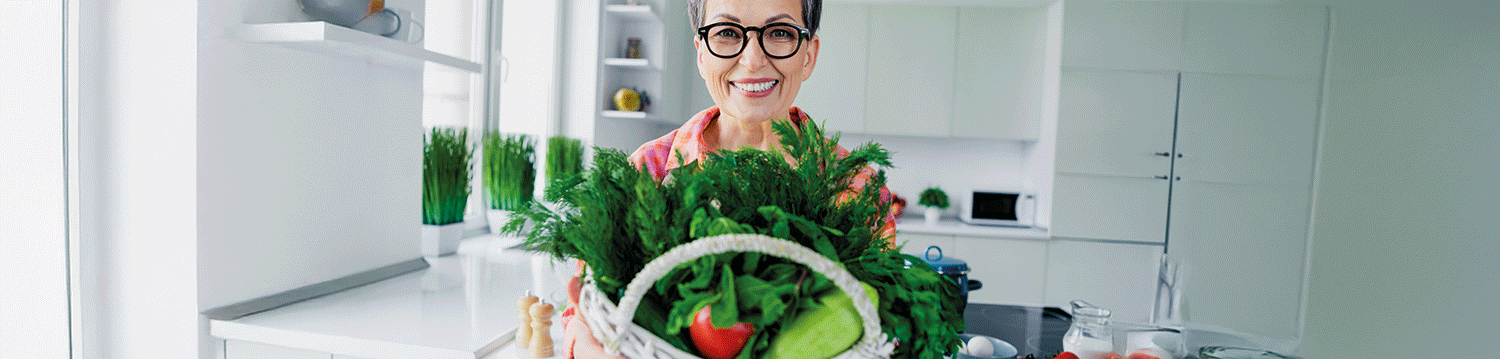
YHL looks at some of the everyday habits that can help to protect your bone health for years to come
Building and maintaining strong bones is important at every stage of life – and it’s never too early to start looking after them. Diet, exercise and lifestyle all have a part to play, and taking action now could help to keep your skeleton strong and healthy as you get older. “Bone health is something we often think about too late, but the habits that protect our bones need to start much earlier in life,” says Dr Nadia Ahmad, a medical doctor and Medical Director of The Weight Care Clinic (theweightcareclinic.com). “A combination of nutrition, resistance exercise and maintaining healthy hormone levels is particularly important.”
Build from the inside
Calcium is perhaps the nutrient we associate most readily with healthy bones – and for good reason. “Calcium is one of the main building blocks of bone,” says Dr Ahmad. “Good sources include dairy products such as milk, yoghurt and cheese, as well as fortified plant milks, tofu, sardines, leafy green vegetables and sesame seeds or tahini.”
But calcium doesn’t work alone. A varied diet provides a whole team of nutrients involved in maintaining healthy bones.
Emma Thornton, qualified nutritionist (BSc, MSc, RNutr) at A.Vogel (avogel.co.uk), says: “In order to support your bone health through diet, there needs to be a focus of a number of nutrients, and in a suitable balance to each other. When we think about bone health, the ‘cake analogy’ can be useful. Flour (like calcium in your bones) is one of the key ingredients in a cake, but without other key ingredients such as butter, sugar or eggs (magnesium, zinc or copper in the world of bones), you don’t have anything that nearly resembles or functions as a cake. Therefore, including a wide variety of fresh foods is important, but interestingly plant-based foods are also an important consideration – these foods will have naturally occurring calcium in, but crucially they will also have good amounts of magnesium and other micronutrients too.”
The vitamin D connection
Another crucial piece of the bone-health puzzle is vitamin D, which helps our bodies to absorb calcium. During the darker months in particular, it’s worth paying attention to our intake. James Pugh, Nutritionist at Viridian Nutrition, says: “In the UK, particularly throughout the autumn and winter months when sunlight hours are limited, vitamin D deficiency is common. Taking a good quality vitamin D supplement can be a way of preventing this risk of deficiency. The government recommends taking a minimum of 400 international units (IU) per day. With an upper tolerable limit advised at 4000IU.
Vitamin D plays a vital role in skeletal health as it increases calcium absorption from the small intestine, which in turn leads to increased bone mineralisation. Vitamin D deficiency negatively affects bone mineralisation. Vitamin K2 is known to direct calcium into the bones. Deficiency is also associated with osteoporosis. This key nutrient has been shown to enable the body to use vitamin D effectively.
Post-menopausal women are at an increased risk of bone frailty and fracture, making the need for vitamin D supplementation even more crucial. This is recommended alongside a balanced wholefood diet and regular exercise to strengthen bones and prevent the risk of conditions such as osteoporosis developing or worsening.”
Strong bones need strong muscles
What you put on your plate is only half the story. Bones respond to the demands we place on them, making the right kinds of exercise particularly important.
“Strength training is the single biggest thing you can do for bone,” says Nicole Ulatowski, founder of Nu You Pilates (nuyoupilates.co.uk). “Squats, lunges, and pressing and pulling movements – worked hard enough to feel genuinely challenging – signal bone to stay strong. This is backed by real research: the LIFTMOR trial found that supervised heavy resistance training improved bone density in postmenopausal women, safely. Begin with body weight, then progress to bands or weights.”
Weight-bearing activity can be incorporated into everyday life too. “Brisk walking, stairs, and, if your body allows, a few hops or small jumps give bone the load it responds to,” says Nicole. “Even a minute counts.”
And don’t overlook balance. Maintaining stability and strength as we get older can help to reduce our risk of falling. “Stand on one foot while the kettle boils or you brush your teeth,” says Nicole. “A steadier body is far less likely to stumble – and most fractures come from a fall, not from bone loss alone. To take it further, Pilates, yoga or t’ai chi all build balance.”
The menopause factor
“For women in particular, menopause is an important time to think about bone health,” says Dr Ahmad. “Falling oestrogen levels can accelerate bone loss, so strength training, adequate calcium and vitamin D, avoiding smoking and limiting excessive alcohol become even more important. Some women may also benefit from a discussion with their doctor about their individual osteoporosis risk and whether further assessment is needed.”
Protein also deserves attention, particularly because maintaining muscle strength is an important part of staying strong and active as we age. Dr Lucy Williamson, registered nutritionist and gut health expert (lwnutrition.co.uk), says: “To ensure that we keep bone, muscle and collagen strength healthy, a diet rich in all the essential protein blocks (amino acids) is vital. We refer to these foods as having a ‘complete’ source of protein. Great foods to include are fish, dairy, meat, eggs, chia seeds, quinoa, soya and nuts. Choosing a med-style diet, rich in colourful plants and their healthy oils, fish and some meat will always provide adequate protein. Research also shows that spreading our protein intake throughout the day can help, as possibly do collagen supplements.”
Start today
Supporting your bones doesn’t have to involve an elaborate regime. A varied diet, sufficient calcium, protein and vitamin D, regular resistance and weight-bearing exercise, and habits that help you stay strong and steady can all contribute to the bigger picture. And there’s no wrong age to begin.
“Whether you’re in your thirties building a buffer, moving through perimenopause, or well into menopause, it’s never too early or too late,” says Nicole. “Every session you do now is an investment in the person you’ll be in ten years.”
Read articles from our latest issue here...