Here to help
Looking for advice on natural health and wellbeing? Your local independent health store can offer a wealth of expertise.This month we talk to Kelly Saxton-Bharaj, a retail assistant with the Art of Zero Living in London
Reducing plastic waste can feel overwhelming at first, but I always tell customers that it doesn’t have to be all or nothing. Small, manageable changes really can make a difference, and often it’s the little swaps that end up becoming long-term habits.
One of the biggest mistakes people make is thinking they have to completely transform their lifestyle overnight. At our shops, we always encourage people to start gently and simply use what they already have at home. For example, if you’ve got an empty washing-up liquid bottle or shampoo bottle, don’t throw it away. Rinse it out and bring it in to refill instead.
Lots of customers are surprised by how easy the refill process actually is. We weigh the empty container first, then you fill it with the product you want, and you only pay for the contents inside. It’s simple, practical and stops perfectly good containers from being thrown away. Rather than throwing everything away and replacing it all with expensive eco products, just focus on what you need next.
Some of the biggest sources of unnecessary plastic are things we use every single day without really thinking about them. Coffee cups are a massive one. Lots of people assume they’re recyclable because they look like cardboard, but most actually contain a plastic lining. That’s why one of the first things I recommend is investing in a reusable coffee cup and a reusable water bottle. Those two swaps alone can make a huge difference.
Another really simple habit is carrying reusable bags with you. I always suggest keeping a cotton bag or reusable shopping bag in your handbag or car so you’re not relying on plastic bags when you’re out. Food packaging is another area where plastic builds up quickly. Supermarkets often wrap vegetables like cucumbers and peppers in plastic, whereas local fruit and veg shops or farmers’ markets often don’t. Sometimes reducing plastic is simply about becoming more aware of where it appears in daily life and looking for small alternatives where possible.
Although recycling is important, I think many of us have fallen into the habit of assuming that if something goes into the recycling bin, the problem is solved. But recycling still uses huge amounts of energy and water. For me, recycling should really be the second option, not the first. The first step should always be asking whether we can reduce or reuse something before it reaches the recycling stage.
I think we also need to remember the wider environmental impact of single-use plastic. We’re seeing increasing damage to marine life and wildlife because of plastic waste. Even things like the plastic rings used on multipacks of cans can trap turtles and other animals. For me, it’s really about trying to tread more lightly on the earth and thinking carefully about what we’re leaving behind for future generations.
We love it when people come into the shop just to browse, ask questions and see what’s possible. We want people to feel comfortable exploring sustainable living in a way that feels realistic and manageable for them.
Art of Zero Living
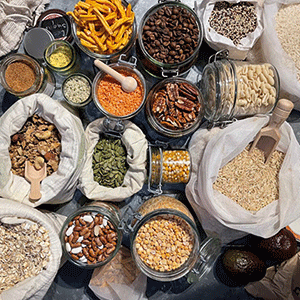
There are two Art of Zero Living shops in London. One is based at 7a Greenwich Market, London SE10 9HZ, and the other is located at 18 Royal Hill, SE10 8RT. The stores offer a wide range of refill and low-waste products designed to help people reduce unnecessary plastic in everyday life. Customers can refill essentials including laundry liquid, washing-up liquid, shampoo, conditioner and deodorant, alongside dried foods such as pasta, rice, flour, herbs, spices, nuts and seeds. The stores also stock refillable beauty and household products, toothpaste tablets, bamboo toothbrushes, reusable containers and locally sourced items, including honey.
Contact details:
Visit the website at artofzeroliving.uk
or follow them on social media:
Facebook artofzeroliving
Instagram: @artofzeroliving
Read articles from our latest issue here...