Celebrity Health – Hugh Fearnley-Whittingstall
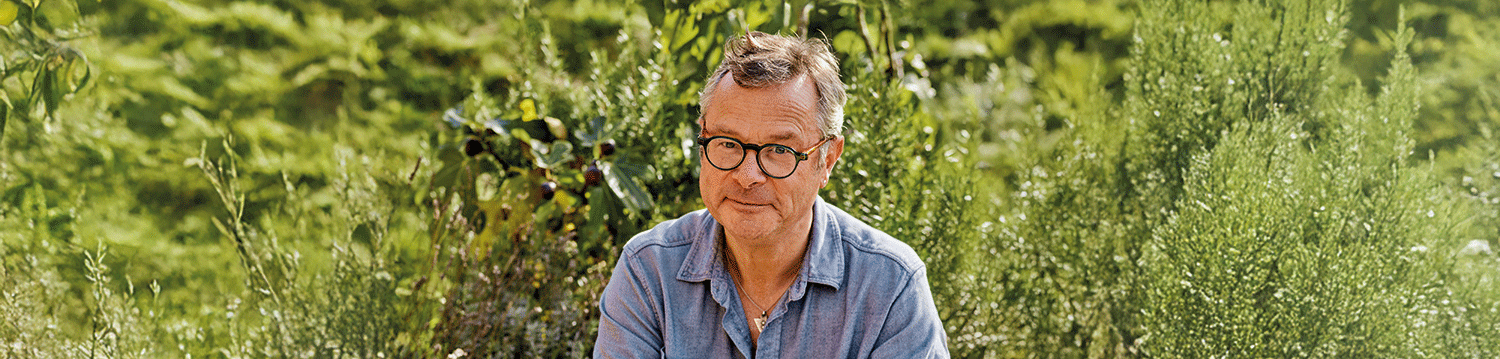
Chef, bestselling author, broadcaster and campaigner Hugh Fearnley-Whittingstall gives us the lowdown on his favourite high-fibre foods
Image of Hugh Fearnley-Whittingstall © Emma Lee.
As a society, our diets are now seriously lacking in fibre, a problem which goes right to the heart of the health crisis, not just in the UK but all over the Western world. This health crisis, marked by soaring rates of obesity and illnesses like diabetes, cancer and heart disease, can very reasonably, and not unhelpfully, be described as a fibre crisis. And perhaps unsurprisingly, the best way to address the fibre crisis is with a fibre solution. The moment we begin to increase the fibre in our diets, we also begin to improve our health outcomes across a whole range of diet-related illnesses.
I want to help you eat more fibre. And I want to do that in the simplest, most effective and most delicious way possible. My new book, High Fibre Heroes, is a celebration of 12 of the most inexpensive, recognisable, versatile and readily available vegetables in the UK, and the amazing things they can do for us all. Peas, cabbage and carrots are sharing the spotlight with beans, cauli and leeks; mushrooms, tomatoes and lentils will take the stage before handing over to spinach, sweetcorn (mostly frozen) and broccoli.
Of course, there are many wonderful, wholesome, natural ingredients (almost all of them plants) besides my hero vegetables that can contribute to the fibre-raising project. I call them Fibre Favourites.
Fresh fruit
An apple, a pear, a banana, a handful of grapes, an orange, a kiwi fruit, some berries – all fruit provides fibre and the tang and texture of crunchy fruits like apples is a great addition to many salads. Cutting them up and serving them in bowls or plates makes them very appealing and easy to eat, especially for kids.
Dried fruit
Prunes, dried apricots, dried figs, raisins and other dried fruits are richer in fibre than many fresh fruits because they contain less water. They are incredibly useful as a natural sweetener in all kinds of recipes too.
Fresh raw veg
Cucumber, carrot, peppers, cauliflower, celery, tomatoes – all of these give you a fibre boost. I often take a box of simply prepped crunchy veg with me when I travel.
Whole nuts
Unsalted whole nuts, such as almonds, peanuts and hazelnuts, are great sources of fibre. Raw nuts can be combined with dried fruits, seeds and even a little dark chocolate for a home-made, fibre-boosting trail mix.
Nut butter
A spoonful of nut butter is delicious with a sliced banana, wedges of apple or celery sticks; spread on wholegrain toast or oatcakes; or just eaten straight from the jar.
Whole seeds
You’ll find seeds called for frequently in my recipes – often to finish them with a nice, crunchy texture – but they’re a delicious snack on their own too. Toasting them really enhances their flavour.
Oats
Oats are a very versatile (and inexpensive) high-fibre grain that come lightly processed in various forms: rolled, flaked or chopped into several grades of oatmeal. These are a great way to start a busy day, giving you slow-release energy and plenty of soluble fibre (although they can result in a blood sugar spike for some).
Oatcakes
These vary in texture, from fine and delicate to coarse and crunchy, but all are a good source of fibre. Some have added seeds, which I like.
Wholegrain breadsticks
Crunch these solo, or dip into hummus or any veg-rich dip to increase fibre.
Hummus
Whether made with chickpeas or other pulses, hummus is a good source of fibre.
Olives
They’re salty, so don’t go mad, but 10 olives will give you on average 1.5–3g fibre. Added to soups, stews and salads, either whole, torn or chopped, they are brilliant little bombs of rich umami flavour.
Vegetable crisps
These are good as an occasional, high-fibre treat, but not something to eat every day because of their salt, sugar and fat content.
Popcorn
Corn kernels are a whole grain, making popcorn potentially a good fibre-ful snack. But branded bags of pre-popped corn usually have more salt, sugar and fat than is good for us. So it’s much better to pop the corn yourself at home.
Dark chocolate
Just 20g dark chocolate will typically give you around 2g fibre. Ideally choose one that’s at least 70 per cent cocoa solids and not full of sugar.
Coffee
This starts life as a berry, and so contains 0.5–1g fibre per 100ml cup – a helpful source if you have even one cup a day!
Extracted from High Fibre Heroes by Hugh Fearnley-Whittingstall (Bloomsbury, £26).
Read other celebrity health articles here...
Read articles from our latest issue here...