Organic made easy
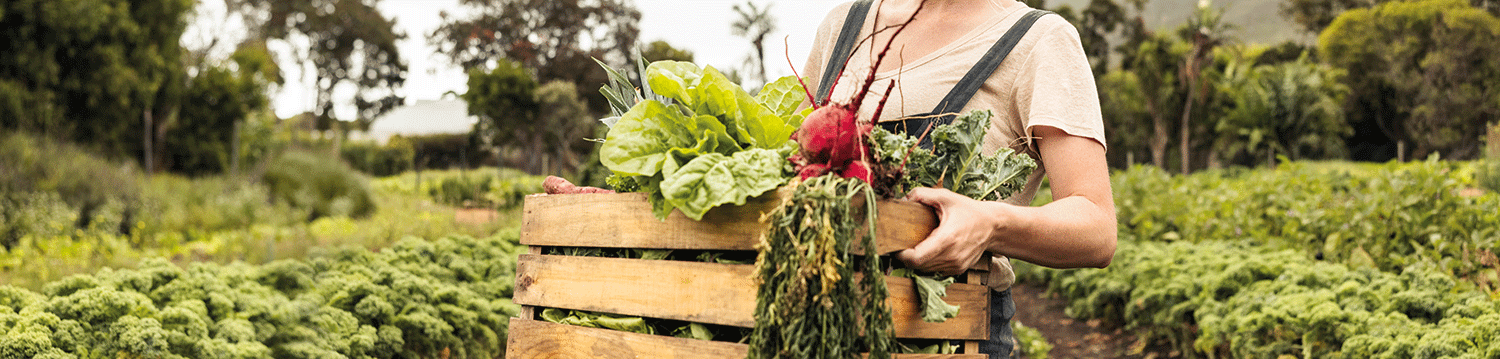
Why making a few simple organic swaps could be good for your health, your gut and the planet
Small swaps can make a big difference to your health, your family’s wellbeing and the planet. This Organic September, discover why choosing organic doesn’t have to be all or nothing, and how a few simple changes could reap surprising rewards.
Organic food has come a long way over the past decade. Once seen as a niche choice reserved for specialist shops, it’s now found in supermarkets across the country, with more people than ever choosing organic products as part of their weekly shop. In fact, 83% of UK households now buy organic, while the market has doubled in size over the past 10 years.
This year’s Organic September campaign from the Soil Association aims to show that going organic doesn’t have to mean completely changing the way you shop. Instead, it’s about making a few simple swaps that fit easily into everyday life. Whether that’s choosing organic oats for breakfast, switching to organic milk or buying organic versions of the fruit and vegetables you eat most often, even small changes can have a positive impact.
So why choose organic? Alongside supporting nature and animal welfare, research suggests organic food may offer benefits for our health too.
Why organic?
Organic farming works with nature rather than against it. Artificial pesticides, herbicides and fossil fuel-based fertilisers are prohibited, while farmers rely on crop rotation, compost and natural methods to build healthy, fertile soil.
Health begins in the soil. Just as our gut depends on a diverse community of beneficial bacteria to function well, healthy soil relies on billions of microorganisms that help plants to absorb nutrients and thrive. Organic farming supports this natural ecosystem, creating healthier, more resilient soils that can produce nutrient-rich crops.
Studies have found that organic fruit and vegetables contain higher levels of beneficial plant compounds, including antioxidants and polyphenols. Research suggests organic produce may contain up to 30–40% more polyphenols and up to 69% more antioxidants than conventionally grown alternatives. These naturally occurring compounds not only help to protect plants but also support our own health, acting as prebiotics that nourish the beneficial bacteria living in our gut.
Some research has also found higher levels of nutrients including iron, magnesium and vitamin C in organically produced foods, although diet quality overall remains far more important than focusing on any single food.
Four simple swaps to try
Going organic doesn’t have to mean replacing everything in your shopping trolley overnight. Instead, think about the foods you eat most often and start there.
1. Start your day with organic oats
If porridge is already part of your breakfast routine, switching to organic oats is one of the easiest and most affordable changes you can make. Conventionally grown oats are often treated with glyphosate before harvest to help dry the crop. Studies have shown that oats can contain higher levels of glyphosate residues than many other cereal grains. Glyphosate is prohibited under organic farming standards, making organic oats an attractive option for anyone looking to reduce their exposure to pesticide residues. They’re also packed with fibre, making them a brilliant choice for supporting digestive health.
2. Choose organic milk
Organic milk isn’t just about what the cows eat – it’s also about how they’re raised.
Organic standards require cows to spend as much time as possible grazing outdoors and eating a grass-rich organic diet. Farmers also avoid the routine use of antibiotics and artificial fertilisers. Grass on organic farms is rich in clover. Organic farmers use this to fix nitrogen from the air into the soil to help fertilise it.
This replaces the need for fossil fuel-based fertilisers, which are forbidden under organic standards. This results in higher levels of omega-3 in organic milk compared to non-organic.
3. Upgrade your fruit and vegetables
Fresh produce is another good place to start. Organic fruit and vegetables aren’t sprayed with synthetic pesticides, meaning lower pesticide residues remain on the food when it reaches your plate. If your budget won’t stretch to buying everything organic, simply swapping the produce you eat most often can still make a difference. The Soil Association also points to the latest ‘Dirty Dozen’ data from Pesticide Action Network UK, which found grapefruit, grapes, limes, bananas and sweet peppers among the produce most likely to carry multiple pesticide residues. One sample of grapes contained residues from 16 different pesticides. Choosing organic versions of these frequently eaten foods may be one practical way to reduce your overall exposure.
4. Opt for organic eggs
When it comes to eggs, organic certification places strong emphasis on animal welfare. Organic hens have access to natural shelter and are encouraged to spend more time outdoors, allowing them to forage naturally. As a result, organic eggs often contain higher levels of omega-3 fatty acids than conventionally produced eggs.
Looking after your gut
Scientists continue to discover just how important the trillions of bacteria living in our digestive system are for overall health. A diverse and balanced gut microbiome helps to support digestion, immune function and even mental wellbeing.
Unfortunately, modern diets tend to be lower in fruit and vegetables and higher in refined foods than ever before. National Diet and Nutrition Survey data show that fruit and vegetable consumption has fallen to its lowest recorded level, while researchers believe modern lifestyles may also be contributing to less diverse gut microbiomes.
Organic farming may help to support gut health in several ways. Higher levels of polyphenols provide valuable fuel for beneficial gut bacteria, while avoiding synthetic herbicides and pesticides may help to reduce exposure to substances that some studies suggest could disrupt the balance of the gut microbiome.
Although there’s no single food that can transform your gut overnight, choosing a diet rich in fibre, colourful fruit and vegetables, wholegrains, pulses and fermented foods remains one of the best ways to nourish your microbiome – and choosing organic versions where possible could offer additional benefits.
Small steps, lasting change
One of the biggest misconceptions about organic food is that you have to switch everything at once. In reality, even small changes can make a meaningful difference. Perhaps it’s choosing organic oats for breakfast, buying organic milk each week or picking up an organic punnet of strawberries when they’re in season. These simple swaps are easy to build into everyday life and, over time, can support farming methods that care for soil, wildlife, farm animals and our own wellbeing.
Organic September is the perfect opportunity to take that first step. After all, looking after your health doesn’t have to involve dramatic changes. Sometimes, it’s the smallest swaps that make the biggest difference.
To find out more about Organic September, visit www.soilassociation.org/
Read articles from our latest issue here...